- MoneyMoves
- Posts
- Why We Suck at Saving and How to Fix It
Why We Suck at Saving and How to Fix It
A system that works even when motivation doesn’t

MoneyMoves
January 14, 2026
On 6 January 2026 I was invited onto RSG to talk about saving. Most people are really bad at it. So how do we fix it? And how do you save efficiently without having to rely on willpower? Let’s dive in.
PS: The interview was conducted in Afrikaans, but this newsletter is the English version of that conversation.
Why Are We So Bad at Saving? Is It Bad Willpower?
People all over the world struggle with saving. The pattern is always the same: get salary, spend salary. Willpower is not something that works - it usually just becomes a New Year’s resolution.
What we often hear is:
“I’ll save whatever is left at the end of the month” or “There were a lot of unforeseen expenses this month, I’ll save next month.”
But we know how this plays out. We live in a way where we spend the last rand the day before the next salary comes in. And if there is money left at month-end, it usually goes to something we want - new shoes, a golf club, a dinner out, etc.
The real solution is having a system that works. Knowing what you’re doing, why you’re doing it, and having a structure that makes discipline automatic.
So How Do We Fix It?
Automation.
We call it paying yourself first. You save or invest a fixed amount as soon as your salary comes in - just like a gym or cellphone debit order. Whatever is left, you’re free to spend.
You can spend your last rand on the last day of the month. No guilt. The saving is already done.
When Should the Debit Order Run?
As close to your salary date as possible.
Most investment platforms offer debit orders on the 1st or the 15th of the month. Since most people get paid around the 25th, the 1st of the following month works perfectly - only a few days after payday.
What’s the Best Place to Save? Is a Bank Account Good Enough?
Firstly it’s important that we need to distinguish between saving and investing.
Investing is long-term. It’s about growing wealth until retirement and letting compound growth do the heavy lifting. Check out the magic of compound growth here.
Saving is short-term. It’s for things like a holiday, a car, or a deposit. Timeframes are usually 6 months to 2 years.
For saving, a bank account is perfect.
I specifically like notice accounts (like 14-day or 32-day accounts) for two reasons:
They offer higher interest than normal savings accounts.
There is a withdrawal barrier - which protects you from yourself.
That money is meant for a specific goal, not groceries or random spending.
What About Emergencies Like a Geyser Bursting or a Car Breaking Down?
Definitely. This is your emergency fund or rainy-day fund.
This should not be in a notice account, because emergencies usually need to be paid immediately - you can’t wait 14 days for your money.
The problem is that people often dip into their emergency fund for non-emergencies. We can prevent this in two ways:
Create a separate account and name it “Emergency Fund.” The name creates a mental and emotional barrier.
If that doesn’t work, open an account at another bank and don’t activate online banking. If you really need the money, you must physically go into the branch. Out of sight, out of mind.
Who Are We?😎
 The Knowledge Chest | Paul holds an Honours degree in Financial Analysis from Stellenbosch University. With a career spanning investing, accounting, and education, Paul is committed to becoming the best financial planner in South Africa. Despite his many accolades, Paul insists that his greatest achievement is that he is dating a yoga teacher. |
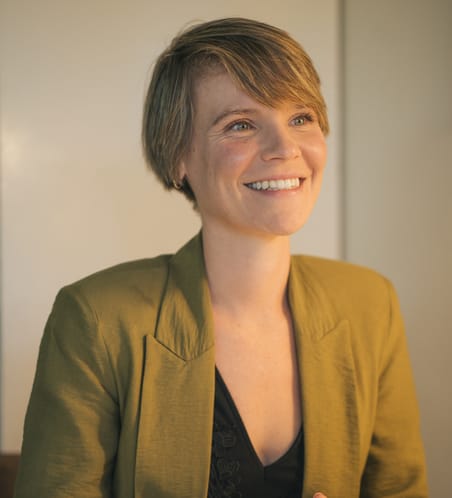 The Anchor | Ingrid holds a BA Honours in Journalism from Stellenbosch University. She is a self-diagnosed workaholic, excelling in various roles such as marketing, publicity, social media, and strategic partnerships. Ingrid's commitment to promoting wellness and balance extends beyond her professional endeavours, as she is also an avid yoga teacher. |
Our Full Offering🎖️
We have extended our value offering to five key pillars:
Investments
Insurance
Arbitrage
MoneyMoves
StockMaster (coming soon!)
If you’re looking for someone to chat about your finances, feel free to reach out. We’re here to help.
Thank you for trusting us with your wealth. If you have any questions, want to review your portfolio, or just want to chat about what’s happening in the markets, feel free to reach out anytime.
Warm regards,
Paul & Ingrid
Sentient Wealth
Reply